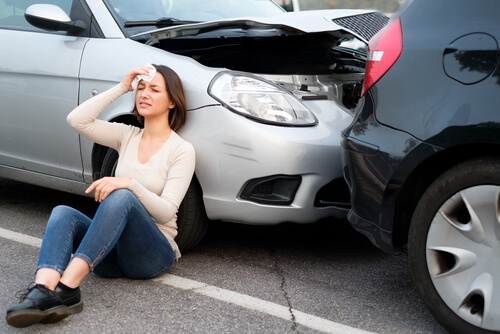
Imagine this: It’s a crisp autumn morning, and you’re cruising down a familiar highway, coffee in hand, thinking about the day ahead. Suddenly, your phone buzzes with a text from a friend. You glance down for just a second—bam! The car in front swerves, and you’re rear-ending them before you even realize what’s happening. Sounds dramatic? Well, that’s exactly how my cousin’s fender-bender turned into a month-long nightmare of insurance claims and whiplash. Stories like these aren’t rare; they’re reminders that car accidents can flip your life upside down in an instant. With over 40,000 people losing their lives on U.S. roads each year, according to the National Highway Traffic Safety Administration (NHTSA), it’s crucial to dig into what really sparks these tragedies. In this deep dive, we’ll unpack the five leading culprits behind car accidents, backed by the latest stats and real-world insights, so you can steer clearer of danger.
Why Understanding the Causes of Car Accidents Matters
Knowledge isn’t just power—it’s your best defense on the road. When you grasp why accidents happen, you’re not just memorizing facts; you’re arming yourself to make smarter choices behind the wheel. Think about it: if you know speeding turns a minor mishap into a catastrophe, you might ease off the gas on that tempting straightaway. Plus, sharing these insights with friends or family could save lives—I’ve seen it firsthand when I convinced my teenage nephew to ditch his phone while driving. Ultimately, this awareness fosters safer communities, lowers insurance premiums, and keeps us all moving forward without the heartbreak of avoidable crashes.
The 5 Leading Causes: An Overview
Diving straight into the heart of the matter, the top causes aren’t mysterious gremlins—they’re everyday behaviors we often overlook. From zoning out to pushing limits, these factors account for the bulk of collisions, as per data from the Insurance Institute for Highway Safety (IIHS) and NHTSA. We’ll break them down one by one, blending hard numbers with relatable tales to make it stick.
1. Distracted Driving: The Silent Killer on Wheels
Picture yourself juggling a burger, a playlist change, and a quick glance at your GPS—all while hurtling at 60 mph. Distracted driving tops the list because it’s so deceptively common; it snags your focus when you least expect it. In 2023, NHTSA reported that distractions led to over 3,000 fatalities, making it a relentless threat that’s only worsened with our gadget-filled lives.
Statistics paint a grim picture: about 8% of all fatal crashes involve some form of distraction, with cellphones being the prime offender. Teens are hit hardest, as IIHS notes they’re four times more likely to crash while texting. But it’s not just youth; even seasoned drivers fall prey, like that time I nearly sideswiped a guardrail while fiddling with the radio—lesson learned the hard way.
Real examples abound. Remember the viral video of a driver swerving lanes because they were Snapchat-ing? Or the tragic case in Texas where a distracted trucker caused a 12-car pileup, claiming eight lives? These aren’t anomalies; they’re wake-up calls. To dodge this pitfall, start with simple habits: put your phone on “Do Not Disturb” mode, eat before you drive, and designate a passenger as your DJ.
Prevention tips in bullet form:
- Use hands-free tech for calls, but minimize them.
- Pull over for texts or emails—no exceptions.
- Set up your navigation and music before starting the engine.
- If kids or pets are distracting, secure them properly.
And hey, a little humor: If your car had a “distraction detector” that blasted clown horns every time you reached for your phone, we’d all be safer—and more entertained.
2. Speeding: When Fast Becomes Fatal
Speeding feels thrilling, like you’re shaving minutes off your commute, but it’s a gamble that often ends in disaster. This cause ranks high because it amplifies every other risk, reducing reaction time and increasing impact force. Per IIHS, speeding factored into 29% of crash deaths in 2023, totaling nearly 12,000 lives lost—numbers that hit home when you consider how preventable they are.
Data from NHTSA shows speeding-related fatalities spiked on rural roads, where limits are higher but enforcement is lax. Urban areas aren’t immune either; think of those late-night races that turn intersections into danger zones. I once sped through a yellow light to “beat” traffic, only to clip a curb—thankfully, no one was hurt, but it shook me enough to rethink my habits.
Heart-wrenching stories include the 2022 California crash where a speeder hit 100 mph in a 35 zone, killing a family of four. Or the everyday scenario: a hurried parent racing to school pickup, skidding on wet pavement. Speed doesn’t just break laws; it shatters families.
To curb this:
- Obey posted limits—they’re there for a reason.
- Use cruise control on highways to maintain steady speeds.
- Allow extra time for trips to avoid rushing.
- Apps like Waze can alert you to speed traps and remind you to slow down.
Pros of sticking to speeds: Better fuel efficiency and fewer tickets. Cons? You might arrive five minutes later—but alive.
3. Drunk Driving: A Choice with Deadly Consequences
Nothing mixes worse than alcohol and asphalt. Drunk driving persists as a top cause because impairment sneaks up, clouding judgment and slowing reflexes. NHTSA’s 2023 data reveals 12,429 deaths from alcohol-impaired crashes—about 30% of all traffic fatalities—proving it’s a national epidemic we can’t ignore.
Stats break it down: BAC over 0.08% multiplies crash risk by 11 times, per IIHS. Nighttime and weekends see peaks, with young adults (21-34) most involved. My own brush? A college buddy who “just had a couple” beers and totaled his car—miraculously unscathed, but it was his rock-bottom moment.
Tragic tales: The 2021 Uber driver killed by a drunk motorist, or the family wiped out on New Year’s Eve. These evoke raw emotion, underscoring that one bad decision ripples outward.
Fight back with:
- Designate a sober driver or use rideshares like Uber.
- Host responsibly—offer non-alcoholic options.
- Install ignition interlocks if you’ve had prior offenses.
- Community programs like MADD provide education and support.
Emotional appeal: Think of the empty chair at holidays—don’t be the reason for it.
4. Drowsy Driving: The Overlooked Hazard
Yawning behind the wheel might seem harmless, but drowsy driving rivals drunk driving in danger, mimicking impairment without the buzz. It’s a leading cause as shift workers and long-haul drivers battle fatigue, with NHTSA estimating 693 deaths in 2022—likely underreported since it’s hard to prove.
IIHS highlights that drowsy crashes peak between midnight and 6 a.m., or mid-afternoon. Microsleeps—those split-second dozes—can be fatal at highway speeds. I pulled an all-nighter once for a road trip and nodded off briefly; the rumble strip saved me, but it was terrifying.
Examples: The 2019 bus crash in Virginia where the sleepy driver veered off, injuring 50. Or everyday commuters fighting post-lunch slumps. Fatigue doesn’t discriminate.
Stay alert via:
- Get 7-9 hours of sleep nightly.
- Take breaks every two hours on long drives.
- Avoid heavy meals before driving.
- Use caffeine wisely, but don’t rely on it alone.
Light humor: If coffee were a superpower, drowsy drivers would be invincible—until it wears off.
5. Reckless Driving: Ignoring the Rules
Reckless driving encompasses tailgating, weaving, and ignoring signals—behaviors that scream impatience. It’s a top cause per NHTSA, contributing to 14% of injury crashes, as it escalates minor errors into major wrecks. In 2023, such antics fueled thousands of fatalities, often in urban hotspots.
Data: Running red lights alone killed over 1,000 in 2022, says IIHS. Road rage amps it up, turning commutes combative. My story? Tailgated by an aggressive SUV, I braked suddenly for a pothole—close call that taught me defensive driving.
Notable incidents: The 2020 Florida pileup from a reckless speeder, or daily near-misses at stop signs. It’s ego over safety.
Mitigate with:
- Maintain safe following distances (3-second rule).
- Signal early and yield right-of-way.
- Practice patience—breathe through frustration.
- Report aggressive drivers to authorities.
Comparison section: Reckless vs. cautious driving—pros of caution: Peace of mind; cons of recklessness: Legal fees and guilt.
Comparing the Top Causes: A Side-by-Side Look
To visualize how these causes stack up, here’s a table based on 2023 NHTSA and IIHS data:
| Cause | % of Fatal Crashes | Annual Deaths (Approx.) | High-Risk Groups | Prevention Focus |
|---|---|---|---|---|
| Distracted Driving | 8% | 3,000+ | Teens, commuters | Tech limits |
| Speeding | 29% | 11,775 | Young males | Speed awareness |
| Drunk Driving | 30% | 12,429 | 21-34 year-olds | Sobriety planning |
| Drowsy Driving | ~2% (underreported) | 693+ | Shift workers | Rest emphasis |
| Reckless Driving | 14% (injuries) | Varies | Urban drivers | Rule adherence |
This snapshot shows overlap—speeding often pairs with recklessness—highlighting multifaceted prevention needs.
Pros and Cons of Modern Safety Tools
Today’s tech offers game-changers, but nothing’s perfect.
Pros of features like automatic emergency braking:
- Reduces rear-end crashes by 50%, per IIHS.
- Affordable in new models.
- Builds confidence for novice drivers.
Cons:
- Over-reliance can dull skills.
- Malfunctions in bad weather.
- High repair costs post-crash.
Best tools for prevention: Dash cams for evidence, apps like Life360 for family tracking, and breathalyzers for self-checks. For transactional intent, check out top-rated options on Amazon or Best Buy.
People Also Ask: Real Questions from Google
Drawing from common searches, here are answers to what folks are curious about:
What is the #1 leading cause of car accidents?
Distracted driving edges out others, claiming thousands yearly due to our multitasking habits. Stay focused to buck the trend.
What are the top 3 causes of car accidents?
Distracted driving, speeding, and drunk driving dominate, per NHTSA—together responsible for over 60% of fatalities.
What causes car accidents the most?
Human error overall, but specifically, distractions like phones. Weather and mechanics play roles, but drivers control the wheel.
How can I prevent car accidents?
Adopt defensive driving: anticipate others’ mistakes, maintain your vehicle, and avoid impairments.
Where do most car accidents happen?
Urban intersections and rural highways, as IIHS data shows—watch for high-traffic zones.
FAQ: Quick Answers to Common Queries
Q: What should I do immediately after a car accident?
A: Ensure safety, call 911, exchange info, and document the scene. Seek medical help even if you feel fine—internal injuries lurk.
Q: How do I find a good car accident lawyer?
A: Look for specialists with high reviews on sites like Avvo. Local bar associations offer referrals; aim for those with trial experience.
Q: Are electric cars safer in accidents?
A: Often yes, thanks to lower centers of gravity and advanced batteries, but IIHS tests show mixed results—research specific models.
Q: What’s the best insurance for accident-prone areas?
A: Full coverage with high liability limits; compare quotes via Progressive or Geico for tailored plans.
Q: How has technology reduced car accidents?
A: Features like lane-keeping assist cut crashes by 11%, per NHTSA—embrace them, but don’t autopilot your vigilance.
Wrapping Up: Drive Smart, Stay Safe
We’ve journeyed through the five leading causes—distractions, speeding, impairment, fatigue, and recklessness—each with stories that tug at the heart and stats that demand action. Remember my cousin’s mishap? It ended well, but not everyone gets a second chance. By internalizing these insights, you’re not just reading; you’re committing to change. For more on safe driving, visit NHTSA’s site or explore internal resources on vehicle maintenance. If you’ve been in an accident, resources like local DMVs guide you on reporting—don’t navigate alone. Safe travels; let’s make roads kinder together.