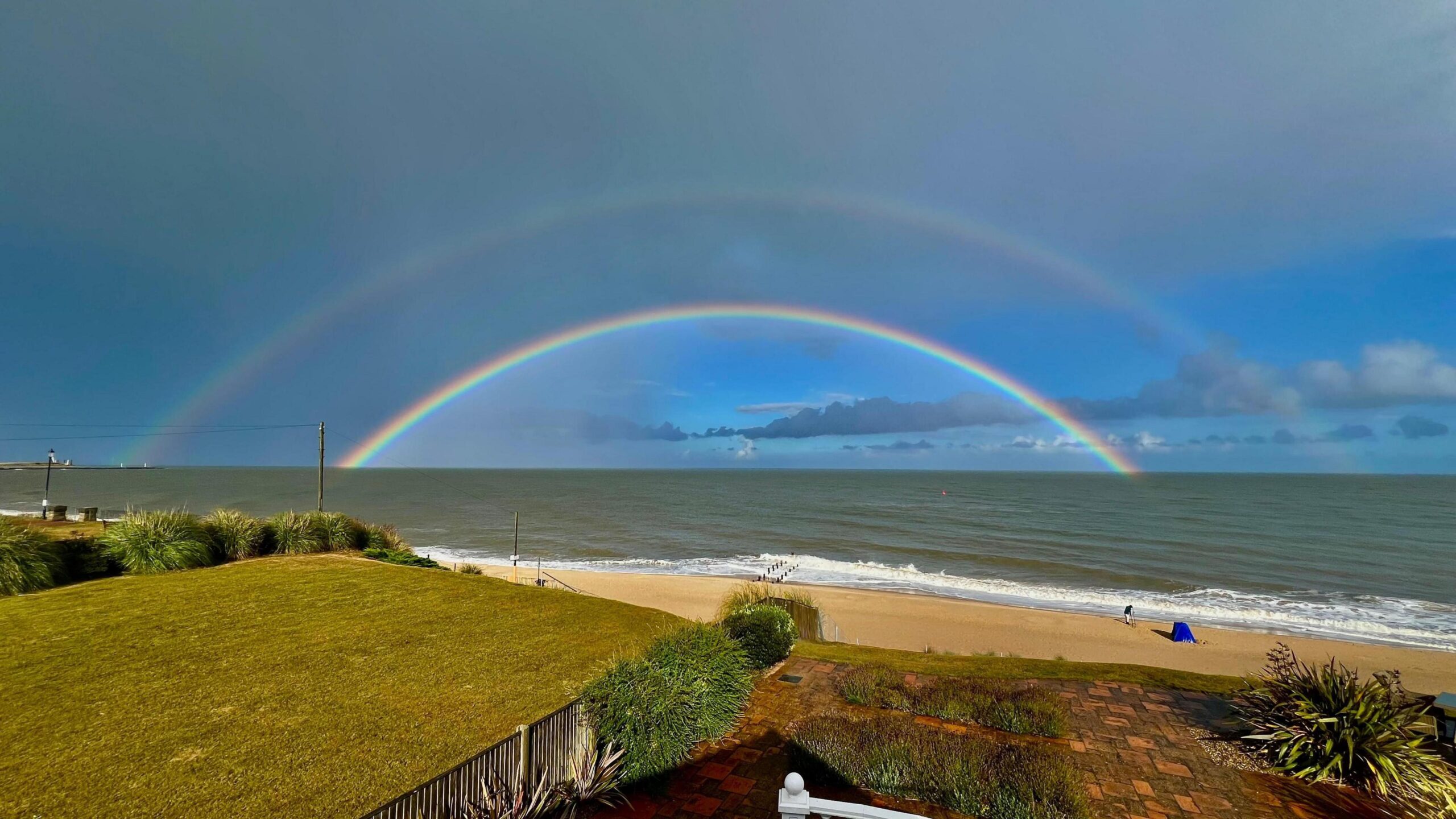
Imagine standing on a Florida beach as dark clouds gather on the horizon, the wind picking up with an eerie howl. Years ago, a hurricane like this might have caught communities off guard, leading to chaos and loss. But today, thanks to precise forecasts, evacuations happen swiftly, saving lives and livelihoods. This isn’t luck—it’s the work of the National Oceanic and Atmospheric Administration, or NOAA, the unsung hero behind much of our environmental intelligence. As someone who’s spent summers volunteering with coastal cleanup crews and seen firsthand how ocean data shapes decisions, I can tell you NOAA’s role feels personal. It’s not just about numbers; it’s about protecting what we love, from family fishing trips to the thrill of spotting a whale breach.
What is NOAA?
NOAA is a federal agency under the U.S. Department of Commerce, dedicated to understanding and predicting changes in our planet’s oceans, atmosphere, and coasts. Established in 1970, it combines science, service, and stewardship to safeguard lives, economies, and ecosystems. From daily weather updates to long-term climate insights, NOAA touches every American’s life, often without us realizing it. Think of it as the nation’s environmental watchdog, blending cutting-edge research with practical tools that keep us one step ahead of nature’s whims.
NOAA’s Mission and Core Values
At its heart, NOAA’s mission is to enrich life through science, reaching from the sun’s surface to the ocean floor. It focuses on forecasting weather, monitoring conditions, charting seas, exploring depths, and managing marine resources. Core values like integrity and innovation drive its work, ensuring decisions are based on facts, not guesswork. I’ve always admired how NOAA balances urgency—like storm warnings—with patience, building datasets over decades for reliable predictions.
Why NOAA Matters in Everyday Life
NOAA isn’t some distant bureaucracy; it’s the reason your phone buzzes with flood alerts or why fisheries stay sustainable for your weekend grill. It supports one-third of America’s GDP through weather-dependent industries like agriculture and shipping. Without NOAA, we’d face more surprises from Mother Nature, turning minor events into major disasters. It’s like having a wise old sailor guiding the ship—reliable, experienced, and always watching the horizon.
The History of NOAA: From Humble Beginnings to Global Leader
NOAA’s story starts long before its official birth, rooted in America’s need to navigate vast frontiers. In 1807, President Thomas Jefferson founded the Survey of the Coast to chart safe passages for trade ships. By 1870, the Weather Bureau emerged to telegraph storm warnings, saving countless lives on the Great Lakes. The 1871 Fish Commission tackled declining stocks, marking the nation’s first conservation push. These threads wove together in 1970 under President Nixon, creating NOAA as a unified force against environmental threats.
Key Milestones in NOAA’s Evolution
Over five decades, NOAA has hit remarkable highs, like launching the first GOES satellite in 1975 for real-time weather imaging. The 1980s brought climate monitoring breakthroughs, while the 1990s focused on habitat restoration post-oil spills. In 2010, NOAA led the Deepwater Horizon response, mapping oil plumes with innovative tech. Today, it tackles climate change head-on, blending history’s lessons with tomorrow’s tools— a timeline of triumphs that feels like an epic sea voyage.
Challenges and Adaptations Through the Years
NOAA hasn’t sailed smooth waters; budget cuts and political shifts have tested its resolve. Yet, it adapts, like shifting from manual observations to AI-driven models. I recall a story from a retired forecaster: during Hurricane Andrew in 1992, limited tech meant gut-feel predictions. Now, satellites provide pinpoint accuracy, showing how NOAA evolves to meet crises with grace and grit.
NOAA’s Organizational Structure: A Symphony of Science
NOAA operates through six line offices, each a specialized crew handling distinct duties. Led by an administrator, it’s headquartered in Silver Spring, Maryland, with over 12,000 employees nationwide. This structure ensures seamless collaboration, from data collection to public alerts. It’s like a well-oiled machine, where every part contributes to the whole.
The Six Line Offices and Their Roles
The National Weather Service (NWS) delivers forecasts, while the National Marine Fisheries Service (NMFS) manages seafood sustainability. The National Ocean Service (NOS) charts coasts, and the Office of Oceanic and Atmospheric Research (OAR) drives innovation. The National Environmental Satellite, Data, and Information Service (NESDIS) oversees satellites, and the Office of Marine and Aviation Operations (OMAO) runs ships and planes. Together, they form a powerhouse.
| Line Office | Primary Function | Key Example |
|---|---|---|
| NWS | Weather forecasting | Daily alerts |
| NMFS | Fisheries management | Sustainable quotas |
| NOS | Coastal mapping | Navigation charts |
| OAR | Research initiatives | Climate studies |
| NESDIS | Satellite operations | GOES imagery |
| OMAO | Fleet management | Research vessels |
Leadership and Workforce: The Human Element
NOAA’s leaders, like Administrator Rick Spinrad, blend expertise with vision. Its workforce includes scientists, pilots, and divers—diverse talents united by passion. I’ve met NOAA folks at conferences; their stories of fieldwork adventures add a human touch, reminding us science is about people protecting people.
NOAA’s Key Programs: From Forecasts to Frontiers
NOAA’s programs span the spectrum, turning data into decisions that shape our world. Whether predicting storms or exploring abyssal depths, they deliver value. It’s inspiring how one agency tackles so much, often with a dash of ingenuity that makes complex science feel approachable.
Weather Forecasting: Keeping Us Safe and Informed
NOAA’s weather tools, like Doppler radar and satellites, provide life-saving predictions. The National Weather Service issues warnings for everything from blizzards to heatwaves. Remember the 2023 wildfires? NOAA’s models helped track smoke plumes, proving forecasts aren’t just convenient—they’re crucial.
Advanced Tools for Accurate Predictions
From the Weather and Climate Toolkit to AI-driven models, NOAA equips forecasters with top tech. These tools analyze vast datasets, spotting patterns humans might miss. It’s like having a crystal ball, but grounded in science, making everyday planning easier.
Climate Change Research: Facing the Future
NOAA leads in tracking global warming, from rising seas to extreme events. Its reports inform policy, like the annual climate assessments. I’ve felt the emotional weight during a coastal erosion tour—NOAA’s data shows us the stakes, urging action with facts, not fear.
Impacts and Adaptation Strategies
Research reveals faster sea level rise and shrinking glaciers, pushing communities to adapt. NOAA’s tools, like the Climate Explorer, help plan resilient futures. It’s a call to arms, blending urgency with hope through practical guidance.
Fisheries Management: Sustaining Our Seas
NOAA oversees sustainable fishing, rebuilding stocks like chinook salmon. Through assessments and regulations, it balances ecology with economy. Picture a family fishery thriving— that’s NOAA’s handiwork, ensuring bounties for generations.
Ecosystem-Based Approaches
Using ecosystem-based management, NOAA considers habitats and species interactions. This holistic view prevents overfishing, fostering resilient oceans. It’s smart stewardship, turning potential crises into success stories.
Ocean Exploration: Unveiling Hidden Worlds
NOAA dives deep, mapping seafloors and discovering new species. Expeditions reveal minerals and ecosystems, fueling innovation. There’s a thrill in these voyages, like modern-day explorers charting the unknown for all humanity.
Discoveries and Their Implications
From hydrothermal vents to critical minerals, findings boost science and economy. They highlight our ocean’s vast potential, inspiring awe and responsibility in equal measure.
Satellite Programs: Eyes in the Sky
NOAA’s satellites, like GOES-19, provide real-time Earth views. They monitor weather, disasters, and climate. Without them, forecasting would be guesswork— a testament to tech’s role in safety.
Future Missions and Innovations
Upcoming like NEON promise enhanced observations. These advancements keep NOAA ahead, adapting to a changing world with precision.
Environmental Conservation: Protecting What Matters
NOAA restores habitats, from wetlands to coral reefs, boosting biodiversity. Efforts like sanctuaries preserve treasures for future enjoyment. It’s heartfelt work, evoking that warm feeling of giving back to nature.
Pros and Cons of NOAA’s Conservation Strategies
Pros: Science-based, collaborative, effective in rebuilding species. Cons: Funding limits scope, bureaucratic hurdles slow action. Overall, benefits outweigh drawbacks, as seen in rebuilt fish stocks.
Partnerships and Collaborations: Strength in Unity
NOAA thrives on partnerships, like with NASA for satellites or states for fisheries. These alliances amplify impact, sharing knowledge globally. It’s like a potluck—everyone brings something, creating a feast of progress.
International and Domestic Alliances
From joint climate research to local conservation, collaborations span borders. They foster innovation, turning challenges into shared victories.
Budget and Funding: Fueling the Mission
NOAA’s budget hovers around $6 billion, funding everything from satellites to research. Recent proposals suggest cuts, but Congress often restores funds. It’s a tightrope walk, balancing needs with fiscal realities.
Challenges in a Changing Fiscal Landscape
Proposed eliminations of climate programs spark debate. Yet, NOAA’s value shines through, securing support for essential work.
People Also Ask: Common Questions About NOAA
Drawing from popular searches, here are answers to what folks often wonder.
- What is the National Oceanic and Atmospheric Administration (NOAA)? NOAA is a U.S. agency focused on oceans, atmosphere, and coasts, providing weather forecasts and environmental stewardship.
- What does NOAA do? It forecasts weather, manages fisheries, explores oceans, and researches climate to protect lives and resources.
- Why is NOAA important for the United States? NOAA supports economic vitality, safety, and conservation, affecting one-third of GDP.
- How does NOAA help protect ocean and coastal environments? Through sanctuaries, habitat restoration, and species recovery plans.
- How does NOAA study and predict the weather? Using satellites, radars, and models for accurate, timely warnings.
Best Tools for Accessing NOAA Data: Where to Get Insights
NOAA offers user-friendly tools for data access, from weather apps to research portals. Whether you’re a student or scientist, these make complex info digestible. Start with NOAA OneStop for broad searches—it’s like a treasure map to environmental gold.
Top Recommendations for Users
The Weather and Climate Toolkit visualizes radar and satellite data effortlessly. For forecasts, try Climate Data Online. Pros: Free, comprehensive. Cons: Learning curve for advanced features. Compared to private apps, NOAA’s are more authoritative and cost-free.
FAQ: Quick Answers to NOAA Queries
Here are some real user questions with straightforward responses.
- How can I access NOAA weather data? Use tools like the Weather and Climate Toolkit or NOAA OneStop for free downloads and visualizations.
- What careers are available at NOAA? Opportunities range from scientists to pilots; check USAJOBS for openings in research, forecasting, and more.
- How does NOAA contribute to climate resilience? Through data tools and partnerships, helping communities adapt to changes like sea level rise.
- Where is NOAA headquartered? In Silver Spring, Maryland, with offices nationwide.
- How can I get involved with NOAA? Volunteer for citizen science or apply for internships via their website.
In wrapping up, NOAA stands as a beacon of hope in an uncertain world. From my own brushes with its work—watching satellite imagery guide a safe boating trip—it’s clear this agency weaves science into our daily fabric. As challenges like climate change loom, supporting NOAA ensures brighter horizons for all. Let’s cherish and champion it.