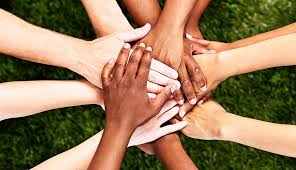
Imagine a world where you could be thrown in jail just for speaking your mind, or denied a job because of your skin color, or forced to flee your home due to war without any protection. Sounds like a dystopian novel, right? But for millions throughout history, this has been reality. Human rights are the invisible shield that stands between us and such chaos—they’re the basic freedoms and dignities every person deserves simply for being alive. In this deep dive, we’ll explore what they really mean, trace their roots, break down the types, and unpack why they’re not just lofty ideals but essential for a fair society. Buckle up; this isn’t your typical dry lecture. It’s a conversation about what makes us human, with real stories, comparisons, and practical tips to boot.
The Origins of Human Rights
Human rights didn’t pop up overnight; they’re the result of centuries of struggle, philosophy, and hard-won battles against oppression. From ancient codes etched in stone to modern declarations signed in grand halls, these rights evolved as societies grappled with questions of justice and equality. Think of them as humanity’s collective conscience, shaped by triumphs and tragedies alike. Without understanding their history, it’s tough to grasp why they matter today—after all, knowing where we’ve been helps us fight for where we’re going.
Ancient Foundations
Way back in 539 BC, Cyrus the Great of Persia conquered Babylon and did something revolutionary: he freed slaves, allowed religious freedom, and inscribed it all on a clay cylinder. This early charter influenced thinkers in Greece and Rome, where ideas of natural law began bubbling up. Fast-forward to 1215, and England’s Magna Carta limited the king’s power, planting seeds for individual protections. These weren’t full-fledged human rights as we know them, but they sparked the notion that no one—not even rulers—is above fairness.
Modern Milestones
The horrors of World War II flipped the script. With the Holocaust exposing humanity’s darkest side, the United Nations stepped in. In 1948, they adopted the Universal Declaration of Human Rights (UDHR), a blueprint drafted by folks from diverse cultures. It wasn’t legally binding at first, but it inspired treaties like the International Covenant on Civil and Political Rights. By the 1990s, events like the end of apartheid in South Africa showed how these ideas could topple regimes. Today, they’re woven into global law, though enforcement remains a work in progress.
Defining Human Rights
At their core, human rights are the fundamental freedoms inherent to every person, regardless of race, gender, nationality, or belief. They’re not gifts from governments but birthrights that protect dignity and enable a life worth living. From the right to life itself to freedoms like education and expression, these rights ensure no one is treated as less than human. They’re universal, indivisible, and interdependent—meaning you can’t cherry-pick which ones to honor without undermining the whole system.
The Universal Declaration of Human Rights
The UDHR, proclaimed in 1948, lists 30 articles that form the bedrock of modern rights. It’s like a global promise: everyone gets equality, liberty, and security. Key highlights include bans on slavery and torture, plus rights to fair trials and privacy. Translated into over 500 languages, it’s inspired countless laws and movements. But remember, it’s a declaration, not a treaty—real power comes from nations ratifying follow-up covenants.
Types of Human Rights
Human rights aren’t a one-size-fits-all deal; they’re categorized into groups that cover everything from personal freedoms to societal needs. This breakdown helps governments and activists target protections effectively. Broadly, they split into civil and political (focusing on individual liberties) and economic, social, and cultural (ensuring well-being). Each type interlinks—deny education, and you hobble political participation. Understanding these helps spot where societies fall short.
Civil and Political Rights
These safeguard personal freedoms and participation in society. Examples include the right to life, freedom from torture, and equal protection under the law. They’re about shielding individuals from state overreach, like arbitrary arrests or discrimination. In practice, they empower voting, assembly, and expression—think protests against injustice.
Economic, Social, and Cultural Rights
Focused on quality of life, these include access to work, education, health, and culture. They’re vital for dignity, ensuring no one starves or lives in ignorance. For instance, the right to adequate housing prevents slum-like conditions. These rights demand positive action from states, like building schools or providing social security.
Here’s a quick comparison table to highlight the differences:
| Type of Right | Focus Area | Key Examples | Enforcement Challenges |
|---|---|---|---|
| Civil & Political | Individual liberties | Freedom of speech, right to fair trial | Political repression, weak judiciary |
| Economic & Social | Well-being & equality | Right to education, healthcare access | Resource shortages, inequality |
| Cultural | Identity & heritage | Participation in cultural life | Globalization eroding traditions |
Why Human Rights Matter
Human rights are the glue holding civilized societies together—they promote peace, reduce inequality, and foster progress. Without them, tyranny thrives, and vulnerable groups suffer most. They’re important because they affirm our shared humanity, turning abstract values like dignity into actionable protections. In a world of conflicts and divisions, they remind us that everyone’s worth matters, preventing the “barbarous acts” that scarred history.
Building Fair Societies
Upholding rights leads to stable economies and innovative communities. Educated populations drive growth, while free expression sparks creativity. They also curb abuses: countries with strong rights records see less corruption and violence. Emotionally, they give hope—knowing you’re protected empowers dreams.
Preventing Atrocities
Ignore rights, and history repeats: think genocides or slavery. They’re crucial for minorities, refugees, and women, who often face the brunt of violations. In essence, human rights aren’t optional; they’re the baseline for justice.
Pros of Upholding Human Rights:
- Fosters global peace and cooperation.
- Boosts economic development through equality.
- Empowers individuals to challenge injustice.
- Reduces poverty and health disparities.
Cons of Ignoring Human Rights:
- Leads to conflicts and instability.
- Perpetuates cycles of poverty and discrimination.
- Erodes trust in institutions.
- Hinders international relations and aid.
Real-Life Examples of Human Rights in Action
Human rights come alive through stories of resilience. Take Malala Yousafzai, shot by the Taliban for advocating girls’ education in Pakistan. Her survival and Nobel Prize highlight the right to education, inspiring millions. Or Nelson Mandela, imprisoned for 27 years fighting apartheid—his release embodied equality and reconciliation. These aren’t just headlines; they’re proof rights can transform lives.
I remember chatting with a refugee in Lahore years ago. He’d fled Afghanistan, clutching his family’s UDHR copy like a lifeline. “This paper says I deserve safety,” he told me, eyes fierce. It hit home how rights bridge personal struggles to global standards. Humorously, he quipped, “Without them, I’d be just another statistic—now I’m a story.” Such tales build empathy, showing rights aren’t abstract; they’re personal.
Common Violations Around the World
Despite progress, violations persist, often in conflicts or repressive regimes. In 2023-2026, reports highlighted grim trends: over 43,000 gun violence deaths in the US, ethnic cleansing in Sudan, and Israel’s actions in Gaza labeled as potential genocide. These breach rights to life and security, affecting millions.
Women and minorities suffer disproportionately—think Black transgender killings or hate crimes against African Americans. In Ukraine, civilian attacks surged, while in Myanmar, Rohingya faced ongoing persecution. Emotional appeals abound: a child’s drawing from a bombed school in Gaza tugs at hearts, underscoring why vigilance matters.
How to Protect and Promote Human Rights
Protecting rights starts with awareness and action—governments must enforce laws, but individuals play a role too. Join campaigns, vote for rights-friendly leaders, or support NGOs. Tools like petitions and social media amplify voices, turning local efforts global. It’s about creating cultures where violations are unacceptable.
Key Organizations and Resources
Amnesty International and Human Rights Watch investigate abuses and advocate change. The UN’s OHCHR provides monitoring and education. For help, visit their sites or local chapters—navigational hubs like un.org offer guides on reporting violations.
Best tools for advocacy include apps like Signal for secure communication or platforms like Change.org for petitions. Books such as “I Am Malala” educate, while courses on Coursera build skills. Transactionally, donate to funds aiding defenders; every bit counts.
- Bullet points for involvement: Volunteer locally, sign petitions, educate others.
- Pros of advocacy: Builds community, drives change.
- Cons: Risks backlash in repressive areas.
People Also Ask
Here are some real questions from Google searches, with concise answers based on reliable sources.
What are the 5 basic human rights?
The right to life, freedom from torture, equality before the law, freedom of thought, and right to education—core to dignity.
What are 10 examples of human rights?
Life, liberty, no slavery, fair trial, privacy, movement, marriage, property, expression, and work—drawn from the UDHR.
What are the 30 human rights?
The UDHR’s full list covers everything from equality (Article 1) to cultural participation (Article 27); see un.org for details.
Why are human rights important in society?
They ensure fairness, prevent abuse, and promote progress—without them, inequality festers.
What is the most important human right?
Many say the right to life, as it underpins all others, but they’re interdependent.
FAQ
What happens if human rights are violated?
Victims can seek remedies through courts or international bodies like the ICC, but enforcement varies—often leading to sanctions or awareness campaigns.
How can I report a human rights violation?
Contact organizations like Amnesty or the UN’s complaint mechanisms; provide evidence for investigations.
Are human rights the same as civil rights?
Civil rights are national protections (e.g., voting in the US), while human rights are universal standards.
What role do governments play in human rights?
They must respect, protect, and fulfill them through laws and policies—failure invites criticism.
Can human rights be limited?
Yes, in emergencies like wars, but never for core ones like no torture; limits must be proportionate.
In wrapping up, human rights aren’t just words on paper—they’re the heartbeat of a just world. From ancient cylinders to today’s battles, they’ve evolved to shield us all. I’ve shared stories that moved me, like that refugee’s quiet defiance, because rights feel real when they’re personal. They matter because without them, we’re adrift in inequality. So, let’s not take them for granted. Read more on UN’s human rights history or check Amnesty’s campaigns. Your voice counts—use it.